
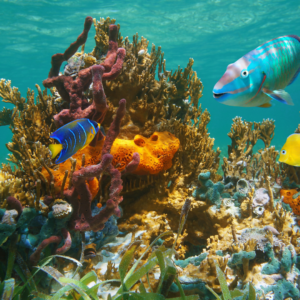
When it comes to conservation efforts, there’s one initiative making waves (quite literally) on the West Coast of the United States: the California Marine Protected Areas (MPAs). Spanning over 800 miles of coastline, from the rugged cliffs of Mendocino to the sunny shores of San Diego, this ambitious project aims to safeguard our oceanic treasures for generations to come.
The Genesis of California MPAs
Picture this: shimmering kelp forests swaying gently in the underwater current, playful sea otters frolicking amongst the waves, and vibrant schools of fish darting through the crystal-clear waters. This picturesque marine wonderland was the inspiration behind the California MPAs. Established in 1999, this groundbreaking initiative sought to create underwater sanctuaries to conserve and restore the rich biodiversity of California’s coastal ecosystems.
The primary goal of California’s MPAs is to strike a harmonious balance between human activities and the preservation of marine life. These designated zones act as safe havens for a wide array of marine species, providing them with the necessary protection to thrive and reproduce. By carefully regulating fishing and recreational activities, the MPAs ensure that marine habitats can regenerate and flourish, supporting the overall health of our oceans.
Not a No-Fishing Zone
Contrary to what some may believe, MPAs are not “no-fishing zones.” Instead, they implement specific regulations to manage and sustainably harvest marine resources. By establishing varying levels of protection, from no-take zones to limited-take areas, the California MPAs accommodate both conservationists and the fishing community. This innovative approach aims to create a win-win situation, where marine life and coastal economies can coexist in harmony. This compromise acts as an inspiration for environmental change across the globe.
Measuring Success: A Vibrant Marine Renaissance
The California MPAs have not only exceeded expectations but have also become a shining example of successful marine conservation. Studies have shown a remarkable resurgence in marine biodiversity within these protected zones. Endangered species such as the California sea otter and the giant kelp, once on the brink of extinction, have made a spectacular comeback. This portion of the underwater world is teeming with life, demonstrating the remarkable resilience of our oceans when given the chance to recover.
California’s MPAs have also garnered international attention and acclaim for their innovative and inclusive approach to marine conservation. Countries around the world are looking to this initiative as a blueprint for their own coastal protection efforts. The success of the California MPAs serves as a testament to what can be achieved when communities, scientists, and policymakers join forces to protect our precious natural resources.
Challenges and Future Prospects
Of course, no conservation effort comes without its fair share of challenges. Balancing the interests of various stakeholders, from fishermen to tourism operators, can be a delicate task. Ongoing monitoring and adaptive management strategies are crucial to ensure the continued success of the MPAs. Additionally, education and outreach efforts play a vital role in fostering a culture of environmental stewardship, ensuring that future generations are as committed to preserving our oceans as we are today.
A Beacon of Hope
The California MPAs stand as a portrait of promise for marine conservation worldwide. Their resounding success in revitalizing coastal ecosystems demonstrates the potential for positive change when communities come together for a common cause. As we continue to face environmental challenges, the California MPAs serve as a powerful reminder that with dedication, innovation, and cooperation, we can protect and restore our natural world for the benefit of all living beings.
So, let’s celebrate this extraordinary achievement and look forward to a future where our oceans continue to thrive!
Sources:
- https://wildlife.ca.gov/Conservation/Marine/MPAs
- https://www.nrdc.org/resources/first-10-years-measuring-success-californias-underwater-parks#:~:text=There%20are%20positive%20signs%20that,showing%20attributes%20of%20climate%20resilience.
- https://wildlife.ca.gov/Conservation/Marine/MLMA/Master-Plan/MPAs
