
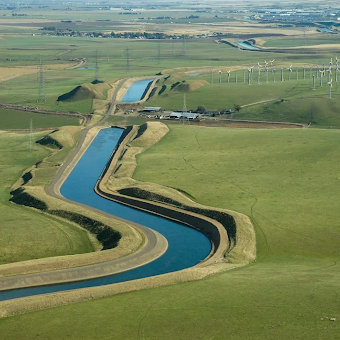
California, often revered for its picturesque landscapes and diverse ecosystems, faces a formidable adversary: drought. The Golden State’s water resources have long been strained by fluctuating precipitation patterns exacerbated by climate change. However, amidst these challenges, California has pioneered innovative water conservation strategies and embraced cutting-edge technologies to mitigate the impacts of water scarcity and preserve its precious natural resources.
The journey towards water conservation in California began decades ago, driven by the realization of the state’s vulnerability to droughts and the imperative to safeguard its water supply for future generations. In response to the historic drought of the late 20th century, California initiated comprehensive water management reforms, laying the groundwork for a more sustainable approach to water usage.
One of the cornerstones of California’s water conservation efforts is the promotion of efficient irrigation practices in agriculture, the largest consumer of water in the state. Through the adoption of drip irrigation systems, precision agriculture techniques, and soil moisture monitoring, farmers have significantly reduced water wastage while maintaining crop yields. According to the California Department of Food and Agriculture, these practices have resulted in a substantial decrease in water usage per unit of agricultural output since the late 20th century.
Furthermore, California has embraced technological innovation to optimize water management across various sectors. The widespread implementation of smart water meters allows for real-time monitoring of water usage, enabling consumers to identify leaks promptly and adjust their consumption behavior accordingly. Additionally, the integration of satellite-based remote sensing technology facilitates the monitoring of water resources, aiding in the identification of areas prone to water stress and informing resource allocation decisions.
In urban areas, where population growth and development strain water supplies, California has implemented stringent water efficiency standards and incentivized the adoption of water-saving appliances and fixtures. Low-flow toilets, water-efficient showerheads, and drought-tolerant landscaping have become ubiquitous, contributing to significant reductions in per capita water consumption. The California Energy Commission reports that these measures have led to a steady decline in urban water use over the past decade, despite population growth.
Moreover, California has invested in large-scale water recycling and desalination projects to augment its water supply portfolio. Advanced wastewater treatment facilities now produce high-quality recycled water suitable for irrigation, industrial processes, and even potable reuse in some regions. Similarly, desalination plants harness the vast reserves of seawater along the California coastline, providing a drought-resistant source of freshwater. While these technologies have traditionally faced challenges related to cost and energy consumption, ongoing research and development efforts aim to enhance their efficiency and affordability.
However, California’s journey towards water conservation is far from over, with persistent drought conditions and the looming specter of climate change posing ongoing challenges. As such, continued investment in water infrastructure, technology, and public awareness remains essential to ensure the resilience of California’s water resources.
California’s water conservation initiatives stand as a testament to the state’s commitment to sustainability and environmental stewardship. From agricultural innovation to urban efficiency measures, California has embraced a multifaceted approach to water conservation, leveraging both traditional wisdom and cutting-edge technology.
By adopting a holistic approach that integrates policy, technology, and community engagement, California is paving the way towards a more water-secure and resilient future for generations to come. As the state continues to navigate the challenges of drought, its ongoing efforts serve as a model for effective water management and environmental conservation on a global scale.
Sources:
- https://www.epa.gov/sites/default/files/2017-02/documents/ws-ourwater-california-state-fact-sheet.pdf
- https://www.cdfa.ca.gov/Statistics/
- https://water.ca.gov/
- https://www.energy.ca.gov/
- https://www.ppic.org/
