
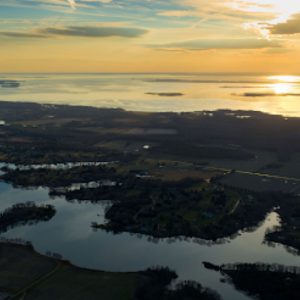
Nestled along the eastern coast of the United States lies a treasure trove of natural beauty and ecological significance: the Chesapeake Bay. Stretching over 200 miles, the Chesapeake Bay watershed encompasses rivers, wetlands, and diverse ecosystems, supporting a rich tapestry of marine life and providing livelihoods for countless communities.
However, like many coastal regions worldwide, the Chesapeake Bay has faced significant challenges due to human activities, including pollution, habitat degradation, and overexploitation. Yet, amidst these challenges, a remarkable story of conservation and restoration is unfolding, offering hope and inspiration to environmentalists around the globe.
The efforts to restore and protect the Chesapeake Bay can be traced back to the 1960s when concerns about declining water quality and diminishing fisheries began to surface. Recognizing the urgent need for action, federal and state governments, alongside various stakeholders, initiated collaborative efforts to address the bay’s complex challenges.
In 1983, these efforts culminated in the formation of the Chesapeake Bay Program, a unique partnership comprising federal agencies, state governments, local authorities, non-profit organizations, and academic institutions. This multi-jurisdictional initiative marked a significant milestone in the history of environmental conservation, setting the stage for a comprehensive and integrated approach to restoring the bay’s health.
Water quality emerged as a primary focus of restoration efforts, given its critical importance to the bay’s ecological integrity and human well-being. Pollution from agriculture, urban runoff, and wastewater discharge had resulted in excess nutrients entering the bay, leading to harmful algal blooms, oxygen depletion, and the decline of underwater grasses.
To address this challenge, the Chesapeake Bay Program implemented a series of ambitious strategies aimed at reducing nutrient and sediment pollution, including agricultural best management practices, stormwater management initiatives, and upgrades to wastewater treatment facilities. These efforts have yielded tangible results, with recent reports indicating improvements in water clarity, reductions in nutrient levels, and signs of recovery in underwater vegetation.
Habitat restoration has also been a key component of the Chesapeake Bay restoration agenda, recognizing the importance of healthy ecosystems in supporting biodiversity and resilience. Over the years, extensive efforts have been made to restore wetlands, oyster reefs, and underwater grass beds, which serve as vital habitats for fish, birds, and other wildlife.
One notable initiative is the ongoing oyster restoration program, which aims to replenish native oyster populations and enhance their ecological functions, such as water filtration and shoreline stabilization. By combining scientific research, community engagement, and innovative restoration techniques, these initiatives are not only reviving critical habitats but also fostering a deeper connection between people and nature.
Crucially, community involvement has been instrumental in driving the success of Chesapeake Bay restoration efforts, reflecting a shared commitment to stewardship and sustainability. Local residents, businesses, and organizations have played active roles in monitoring water quality, implementing conservation practices, and advocating for policy changes.
Volunteer-based programs, such as shoreline cleanups and tree plantings, have mobilized thousands of individuals to contribute to the bay’s restoration. This grassroots engagement not only amplifies the impact of conservation efforts but also fosters a sense of ownership and pride in the bay’s ecological heritage.
Today, the Chesapeake Bay stands as a beacon of hope and resilience in the realm of coastal restoration, demonstrating what can be achieved through collaboration, innovation, and community engagement. While significant progress has been made, challenges remain, including climate change, population growth, and emerging pollutants.
However, the collective resolve and dedication of those involved in the Chesapeake Bay restoration endeavor offer a roadmap for other coastal regions facing similar threats. By embracing a holistic approach that integrates science, policy, and public participation, we can continue to safeguard our precious coastal ecosystems for generations to come.
The story of revitalizing the Chesapeake Bay serves as a testament to the power of collective action and the enduring resilience of nature. From the depths of pollution and degradation, the bay has risen, buoyed by the tireless efforts of individuals and organizations committed to its preservation. As we navigate the challenges of the 21st century, let us draw inspiration from the Chesapeake Bay experience and redouble our efforts to conserve and restore our coastal treasures.
Sources:
- https://www.cbf.org/about-the-bay/?gad_source=1&gclid=CjwKCAjwte-vBhBFEiwAQSv_xQokz2OGtjoWRHMuR3eP2jSW61IR4vONU_Aq7I5C0vVz-VKQNfUByBoC2QIQAvD_BwE
- https://www.chesapeakebay.net/what/what-guides-us/watershed-agreement
- https://www.chesapeakebay.net/what/publications/bay-barometer-health-and-restoration-in-the-chesapeake-bay-watershed-2018-2
- https://chesapeakebay.noaa.gov/oysters/chesapeake-bay-oyster-restoration
- https://www.cbf.org/
